

Which type of jewellery—antique or modern—defines real luxury?
Leave a Comment / antique or modern jewellery, Fashion, Grooming, jewellery, jewellery styling, Trending
Jewellery has always been a reflection of status, style, and personality rather than merely an adornment. Antique jewellery and contemporary jewellery are two unique categories that continue to enthral fans and collectors alike due to the significant evolution of jewellery design over the ages. Modern jewellery embodies modern aesthetics, inventive design, and sophisticated minimalism, whereas antique pieces have historical relevance and exquisite craftsmanship. Collectors, purchasers, and fashion enthusiasts can make well-informed choices regarding what constitutes true luxury by being aware of the distinctions between these two styles.
How Do You Define Antique Jewellery?

Jewellery that is at least a century old is referred to as antique jewellery. These pieces frequently come from important historical eras like the Art Deco, Victorian, or Edwardian periods. Antique jewellery is prized for its historical and cultural relevance in addition to its beauty.
Antique jewellery is distinguished by its craftsmanship. The majority of the pieces had elaborate designs and distinctive detailing because they were created by talented artisans by hand. Antique pieces are distinguished by techniques like filigree work, hand engraving, and vintage gemstone cutting, which give them a unique character that cannot be duplicated.
Antique jewellery frequently takes its design cues from romance, nature, and historical themes. The artistic and cultural tendencies are reflected in the prevalence of floral motifs, carved leaves, and complex geometric patterns.
What Does Modern Jewellery Entail?

On the other hand, items created and manufactured in the last few decades are referred to as modern jewellery. These products, which frequently emphasise minimalism, adaptability, and clean design, reflect modern aesthetics and fashion trends. The dynamic tastes of today’s consumers are reflected in modern jewellery, which ranges from striking statement pieces to everyday wear.
Modern jewellery often uses technical innovations like computer-aided design (CAD), laser cutting, and precise casting, whereas antique jewellery primarily relies on handcrafting. These techniques enable designers to produce symmetrical, perfect pieces on a greater scale, increasing the consistency and accessibility of jewellery without compromising elegance.
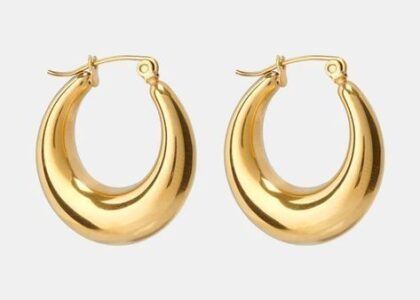
Elegance and simplicity are frequently highlighted in contemporary jewellery. Popular examples include geometric earrings, delicate pendant necklaces, and sleek gold rings. Because of these designs’ adaptability, modern jewellery can be worn in a variety of contexts, from formal occasions to casual workdays, making it both fashionable and useful.
Antique vs. Modern Craftsmanship:

Craftsmanship is one of the key distinctions between modern and antique jewellery.
Traditional artisan techniques are used to create antique jewellery. Every piece was painstakingly made by hand, and even slight differences between them are thought to add to its allure. Antique jewellery has a personal and historical worth due to its high level of artistry, which frequently makes it collectible.
On the other hand, precision technology is beneficial to modern jewellery. Jewellers are able to create consistent, perfect pieces because to CAD drawings, laser cutting, and casting techniques. Modern craftsmanship enables creative designs and clean, minimalistic aesthetics that were challenging to accomplish in previous times, even while it lacks the subtle flaws of handmade work.
Both designs exhibit excellent craftsmanship, but in opposite ways: modern jewellery stresses accuracy and creativity, while antique jewellery emphasises tradition and artistry.
Variations in Style and Design:

Antique and contemporary jewels have different visual appeals.
Ornate and intricate, antique jewellery frequently reflects the creative and cultural influences of its time. Art Deco brooches, Edwardian necklaces, and Victorian rings all include beautiful jewel arrangements, sophisticated craftsmanship, and distinctive patterns. These works are very unique since they frequently tell a tale or express a historical topic.
In comparison, modern jewellery is simple and up to date. Designers emphasise subtle beauty, geometric shapes, and clean lines. Contemporary jewellery is made to go well with current styles and be appropriate for a variety of settings. A contemporary solitaire diamond ring, for example, can feature a straightforward, uncomplicated setting that highlights the stone’s brilliance rather than minute intricacies.
Gemstones and Materials:

Although they are used differently, precious metals and gemstones are used in both contemporary and antique jewellery.
Traditional cuts, such rose-cut or old European diamonds, are frequently found in antique items. These stones have a distinct glitter and an air of vintage charm, even though they may not be as symmetrical as contemporary cuts. Additionally, natural gemstones are often put in intricate settings with gold, platinum, and silver in antique jewellery.
Modern jewellery maximises precision and shine using sophisticated cutting processes. Modern items frequently feature coloured gemstones, princess-cut stones, and round brilliant diamonds. Perfect polishing gives metals like platinum, rose gold, white gold, and yellow gold a polished appearance.
Value and Investment:

Because of its rarity and historical significance, antique jewellery frequently has collector’s value. Many works gain value with time, particularly those created by well-known designers or from important historical periods. Antique jewellery is prized by collectors due to its distinctive workmanship, history, and scarcity.
Even though it is less common, modern jewellery is useful and fashionable. High-end brand designer items can still be a great investment, particularly if they have unique designs or superb craftsmanship. Modern jewellery is a useful luxury for everyday wear because it is frequently more accessible and adaptable.
What Is the True Definition of Luxury?

There are several ways to define luxury. Antique jewellery appeals to collectors and enthusiasts who appreciate exclusivity and history because it reflects tradition, rarity, and unmatched craftsmanship. Modern jewellery appeals to people who value adaptability and current fashion trends since it embodies modern elegance, minimalism, and sophisticated design.
In the end, luxury is defined by both contemporary and antique jewellery. Modern jewellery is creative and fashionable, while antique jewellery is classic and ageless. In order to create a genuinely opulent jewellery wardrobe, many jewellery enthusiasts like blending both historical and contemporary styles.
In conclusion:

Both contemporary and antique jewellery have distinctive qualities that define luxury in different ways. sophisticated jewellery dazzles with accuracy, minimalism, and sophisticated elegance, while antique jewellery enthrals with handcrafted artistry, historical relevance, and elaborate designs.
A well-balanced collection of antique and contemporary jewellery provides collectors and enthusiasts with the ideal blend of sophistication, style, and heritage. Jewellery enthusiasts can make wise decisions and recognise the timeless beauty of both worlds by being aware of the variations in craftsmanship, design, materials, and value.
Tags: antique jewellery, jewellery comparison, jewellery guide, luxury jewellery, minimal jewellery